In France, nearly one in five retirees resumes a professional or community activity within the first five years following the end of their career. Recent studies also reveal that social involvement, even at a moderate level, significantly reduces the risks of isolation and cognitive decline at this age. However, one-third of seniors hesitate to change their habits or seek existing resources, hindered by the fear of upheaval or lack of information.
Concrete strategies exist to overcome this hurdle and take advantage of the multiple opportunities available after professional life.
Retirement, a new stage full of possibilities
The transition to retirement is not just a date on a calendar. It opens up a new experimental ground where everyone can redefine their priorities. Preparing for this transition well gives one the chance to shape a rich and stimulating existence. Studies confirm it: organizing one’s days and harmonizing body and mind lay the foundations for regained freedom.
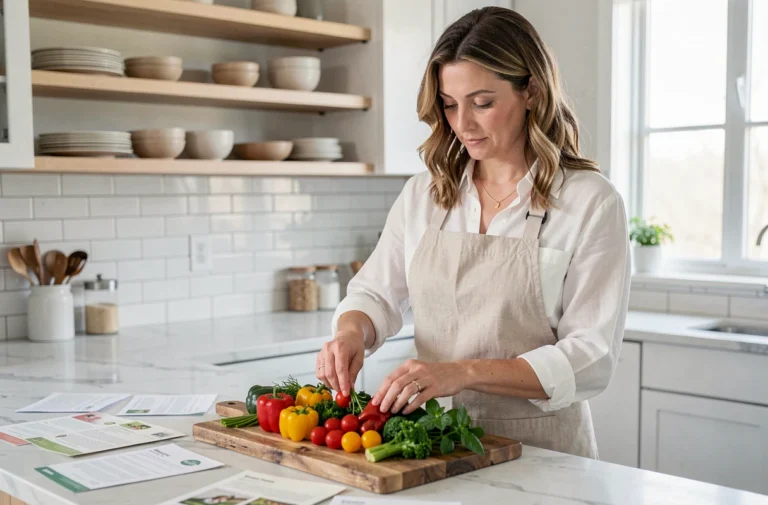
It is impossible to separate this period from a reflection on health. Staying active becomes the guiding thread: walking every day, trying gentle gymnastics, or reconnecting with swimming. These simple gestures prolong autonomy, ward off chronic diseases, and boost energy. At the table, the reflex is the same: focus on fruits, vegetables, whole grains, while limiting salt. Staying hydrated regularly is also essential for preserving one’s body.
But vitality is not limited to physical habits. The social connection weighs heavily in the balance. Joining a senior club, getting involved in an association, or sharing one’s journey through mentoring gives meaning to each day. Family remains a foundation, but opening up to other horizons makes all the difference. Those who wish to delve deeper into these themes will find various resources at infoseniors.net.
Want to truly make the most of this phase? Curiosity is the best ally. Exploring painting, music, writing, or discovering other cultures whenever health allows: each desire fuels a positive dynamic. Retirement is never a final point; it is a new chapter where autonomy and learning are constantly renewed.
What guidelines to adopt for a fulfilling and active daily life?
To rhythm one’s daily life, nothing beats relying on positive routines. Movement remains the engine: walking, cycling, swimming, or gentle gymnastics, everyone can choose the formula that suits them. Practiced consistently, even at low intensity, these activities protect the body and maintain morale.
Adapting meals to age is also about focusing on prevention. A plate inspired by the Mediterranean diet, rich in fruits, vegetables, whole grains, fatty fish, olive oil, and nuts, combined with regular hydration, greatly benefits health. Sleep, often neglected, also deserves special attention: regular hours, a calming environment, darkness—all contribute to good recovery.
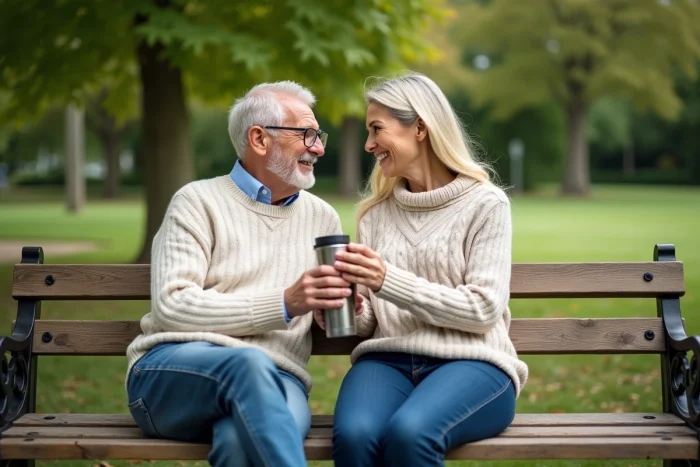
The social connection acts as a bulwark against withdrawal. Senior clubs, associations, volunteer initiatives offer spaces to create bonds, share knowledge, or simply enjoy a moment together. While family structures daily life, increasing contacts enriches life and strengthens the sense of usefulness.
Cultivating intellectual vitality also involves a diversity of activities: reading, brain games, artistic workshops, music, or photography. Travel desires broaden horizons, provided one considers practical aspects. Managing one’s budget, planning health expenses, choosing an appropriate health insurance: these choices ensure peace of mind and the freedom to fully enjoy leisure activities.

Concrete advice for maintaining vitality, connections, and fulfilling desires
Maintaining a good balance between physical energy, social life, and personal projects is the recipe for a dynamic retirement. Adapting one’s home is also a matter of common sense: preventing falls and gaining autonomy requires targeted adjustments, sometimes supported by programs like MaPrimeAdapt’. The advice of an occupational therapist can guide choices, while trusted craftsmen handle the work. This secure environment encourages a freer daily life.
Social interactions remain a powerful engine. Engaging in an association, participating in creative workshops, or volunteering revitalizes the spirit. Intergenerational sharing and the feeling of being useful stimulate mental health. Shared meals, cultural outings, gentle sports activities: all are opportunities to forge connections and savor the pleasure of being together.
To help you organize this stage, here are some avenues to explore:
- Plan your budget: anticipate expenses related to health, leisure, and choose an appropriate health insurance to maintain your financial balance.
- Examine savings and protection solutions to prepare for the future and ensure a smooth transition.
- Seize your desires: whether it’s traveling, learning, or getting involved, this period is the perfect time to realize what you had set aside.
Day by day, these choices shape a retirement where autonomy and personal drive take center stage. Opening up to new experiences, nurturing connections, securing one’s living environment: all are levers to move forward, confidently and curiously, towards an active and fulfilling old age.