A raw figure, almost unsettling in its simplicity: in France, nearly one in two people has already tried an alternative practice for their health. However, these approaches often remain outside official recommendations, oscillating between partial recognition and disparate regulation depending on the disciplines.
Some alternative practices now have studies to support them: reduction of anxiety, relief from chronic pain, improvement of daily life. Others remain sidelined, with health authorities expressing caution due to insufficient data or potential risks. In this landscape, qualified practitioners and unregulated providers coexist, making access to clear and reliable information even more complex.
Why are alternative therapies increasingly appealing in daily life?
This growth of alternative medicine in France is no coincidence. It reflects a collective desire to take control of one’s health, to regain a balance disrupted by fatigue, stress, or confusion of reference points. In the face of these challenges, conventional medicine does not always hold the answer. Thus, natural practices, gentle and non-invasive, are gradually asserting themselves, driven by the idea of considering the human being in its entirety, body and mind united.
Prevention, harmony between the physical, mental, and environmental: alternative therapies shift the center of gravity of care. They favor a tailored approach, inspired by sometimes very ancient traditions but adapted to each unique story. Restoring energy, supporting the immune system, protecting emotional balance: these are all levers to concretely improve one’s quality of life. The growing adoption of these approaches in France speaks volumes about a desire for autonomy and empowerment in managing one’s health.
This is not about opposing alternative medicine to conventional treatments. Integration occurs in a logic of alliance, with each discipline contributing its part to the edifice of well-being. For those who wish to gain clarity, discovering the Art de Guérir website provides access to reliable resources and practical advice for choosing the approach best suited to one’s journey.
Overview of natural approaches: what methods to regain balance and well-being?
The range of practices aimed at balance and well-being has never been so diverse. In France, gentle medicine brings together traditions from both East and West. Acupuncture, inherited from traditional Chinese medicine, works on energy to alleviate pain and tension. Naturopathy focuses on diet, plants, and physical activity to strengthen the immune system and prevent imbalances.
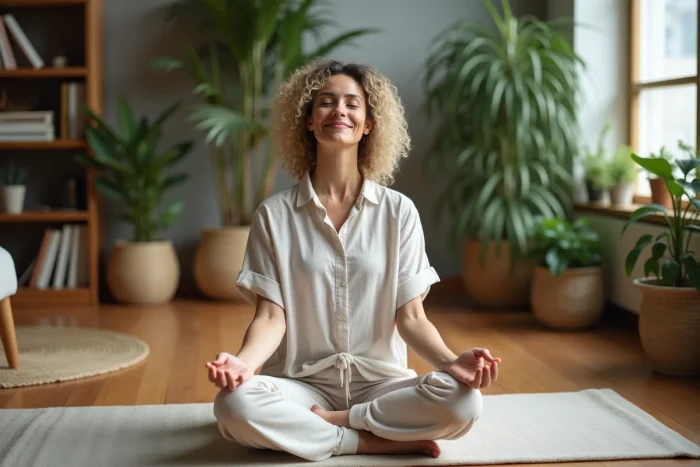
Manual therapies, such as osteopathy, chiropractic, and reflexology, prioritize touch to restore mobility and bodily grounding. Sophrology, hypnosis, and yoga connect the body, mind, and emotions to address stress, anxiety, sleep quality, or self-confidence.
Here is an overview of the most common methods and their areas of action:
- Phytotherapy: use of plants to prevent and support chronic disorders.
- Aromatherapy: targeted application of essential oils to support emotional balance.
- Music therapy and art therapy: use of creativity to enhance well-being and quality of life.
Each method adjusts its protocols to the individual’s profile, in a spirit of individualization. Engaging in these approaches means placing one’s health within a preventive as well as reparative dynamic, where well-being, autonomy, and respect for personal rhythm remain at the center.

Choosing professional support: tips for taking action with confidence
Turning to alternative therapies involves navigating carefully in a realm where the diversity of practitioners and approaches is real. To integrate alternative medicine into one’s journey, it is essential to opt for a fair collaboration between natural practices and conventional medicine. Seeking professional support ensures personalized, secure, and coherent follow-up with existing treatments.
The rules of the game are evolving. The law against sectarian abuses provides safeguards, regulating practices and engaging the responsibility of practitioners. Osteopaths, acupuncturists, homeopaths: practitioners must justify their training and adhere to a strict code of ethics. Whether in Paris or elsewhere, vigilance remains essential. Ask the professional about their qualifications, experience, and registration with a recognized organization. An initial appointment offers the opportunity to gauge the quality of listening, clarity of communication, and relevance of the proposed therapeutic project.
Before starting an alternative therapy, it is recommended to discuss it with one’s primary care physician. Alternative medicine complements conventional medicine, without substituting it. This dialogue minimizes the risks of undesirable interactions and preserves the continuity of care. Thus supported, everyone can move towards regained balance, without ever sacrificing rigor or the safety of medical follow-up.
As the boundaries between traditional medicine and alternative practices blur, the quest for well-being regains its full meaning: to move forward, explore, while never ceasing to listen to what within us calls for balance.