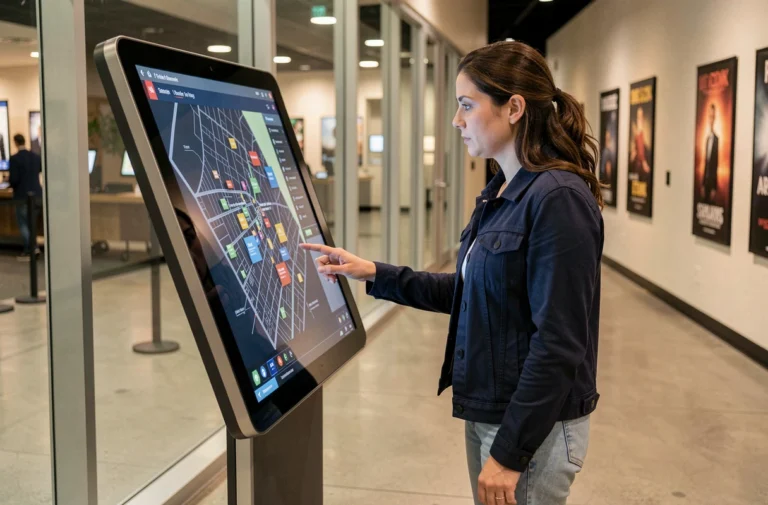
If Socrates had had a tablet, would he really have invited his disciples to debate on TikTok rather than in the shade of an olive tree? It’s hard to imagine the philosopher with wireless earbuds, but one thing is certain: revision no longer has the same flavor. Gone are the faded highlighters and mountains of loose sheets; now we have animated flashcards, quizzes that follow one after the other, and apps that turn learning into a digital treasure hunt.
Today, alerts from your smartphone replace reminders from your mother, and educational podcasts even make their way into the bathroom. This new digital landscape disrupts routines and promises to transform the struggle of revision into an almost playful adventure. But behind these promises, one question remains: will technology really be able to tame exam stress, or is it just another mirage?
Why traditional revision methods show their limits in the digital age
The digital tsunami leaves no chance for old methods. Dusty textbooks and cardboard flashcards are struggling against the frantic pace of a digital work environment where information flows at lightning speed. Training and learning are breaking out of classroom walls to invest in flexible, collaborative, dynamic spaces – far from the constraints of yesterday.
- Resistance to change clings to its landmarks, but reality demands a rethink of the skills that will make the difference tomorrow.
- In the face of the wave of online courses, the abundance of digital resources, and the rise of new pedagogical practices, the learner becomes the pilot of their own journey.
Education is shifting onto new tracks. The traditional transmission chain is fading, replaced by continuous information flows, orchestrated by a steering committee that must invent an agile strategy. Teachers, overwhelmed by the avalanche of content, are transforming into guides, sharpening students’ critical thinking through innovative tools. Old flashcards give way to solutions like Flashcardlet, which reinvent the very act of memorization and instill a true culture of innovation.
Embracing digital is not just about moving from paper to screen. It’s about fundamentally reshaping the models of teaching and training. Auditing practices, supporting change, developing new skills — these are the pillars of a connected, dynamic education capable of meeting the challenges of a digitalized world.
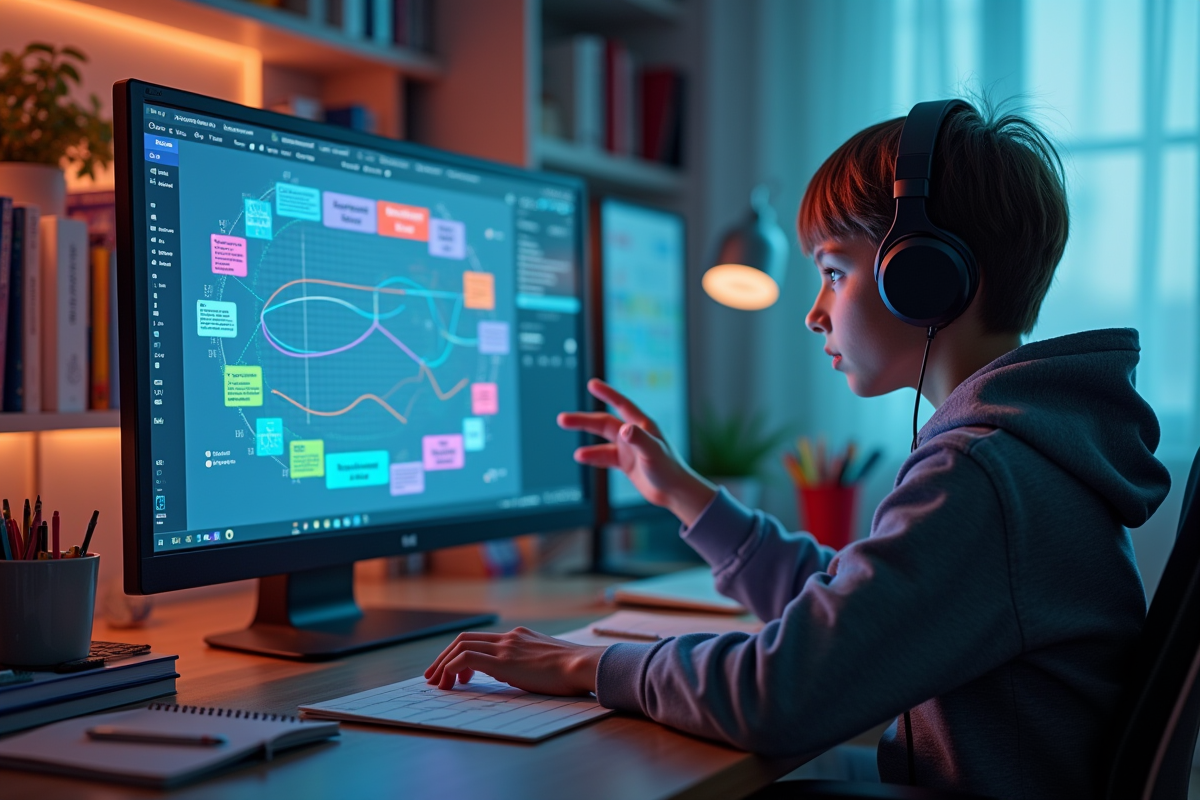
Diving into the digital tools that revolutionize learning and memorization
The emergence of digital solutions reshuffles the cards of learning. Forget the predetermined path: AI-powered platforms adjust content on the fly, sculpting tailor-made study paths. This constant adaptation breaks radically from the uniformity of old models.
Virtual reality and digital pedagogical scenarios immerse the user in real-life situations, where learning happens through doing, not by rote. Interactive videos, the spearheads of digital learning, multiply angles of approach, stimulate engagement, and awaken memory. As for AI-driven interfaces, they promote self-assessment and sharpen critical reflection.
- Collaborative tools reinvent remote work, enhance the social dimension of learning, and boost collective knowledge creation.
- Protecting personal data becomes a central issue, mobilizing teachers and institutions around a shared duty of vigilance.
| Technology | Educational Contribution |
|---|---|
| Artificial Intelligence | Personalization of paths, detailed progress analysis |
| Virtual Reality | Immersion, experimentation, learning by doing |
| Collaborative Tools | Co-construction, exchanges, development of transversal skills |
Supporting this, cloud and big data throw wide open the doors of knowledge and allow for in-depth analysis of learning methods. The goal is no longer to accumulate mountains of information, but to cultivate mental agility and autonomy in ever-changing digital environments.
School has not said its last word. It is reinventing itself, stirring, challenging its own certainties. In the face of 21st-century revision, one question remains: who will be able to ride the digital wave without drowning in the flow?