
A plane ticket can cost €120 at noon, rise to €200 in the evening, and drop to €130 the next day at dawn. The numbers don’t lie: up to 62 price variations before takeoff, according to Hopper. Airlines rely on sophisticated algorithms, adjusting their fares based on demand, load factor, and the day of the week. Predicting the perfect moment to buy is almost a game of chance. Booking on a Tuesday no longer guarantees a good deal, while fare alerts sometimes wake you in the middle of the night for a sudden drop. Buying your ticket well in advance or at the last minute can create more than a 30% difference, but again, each destination has its own rules.
Why do plane ticket prices vary so much? Understanding the factors that influence cost
The price of a plane ticket never comes out of thin air. Behind every amount, there is a well-oiled mechanism. The first lever is seasonality: school holidays, religious holidays, major sporting or cultural events cause prices to soar. Added to this are the travel dates: a departure on Saturday, a return on Sunday, and the bill goes up, while a midweek departure often proves to be more affordable.
The price of fuel also plays its part, as do inflation and airport taxes. Traditional and low-cost airlines adapt their models: baggage, meals, everything becomes optional. As a result, the displayed price seems attractive, but the total cost rises quickly. The chosen class, a layover along the way, an alternative airport, Paris Beauvais, Charleroi, Geneva, every detail modifies the final amount.
Airlines have turned to algorithms and artificial intelligence. Fueled by millions of searches, these technologies detect booking peaks and adjust fares in real-time. To reduce the bill, flexibility remains your best ally: vary your dates, compare flight prices by day, explore different departure options.
Comparing prices becomes a real strategy. For example, Liligo is useful for spotting fluctuations and anticipating increases. Booking early for a domestic flight, waiting for an international one during the off-season, choosing a less busy airport, or accepting a layover: each choice can make a difference and bring you closer to the best plane tickets at the best price.
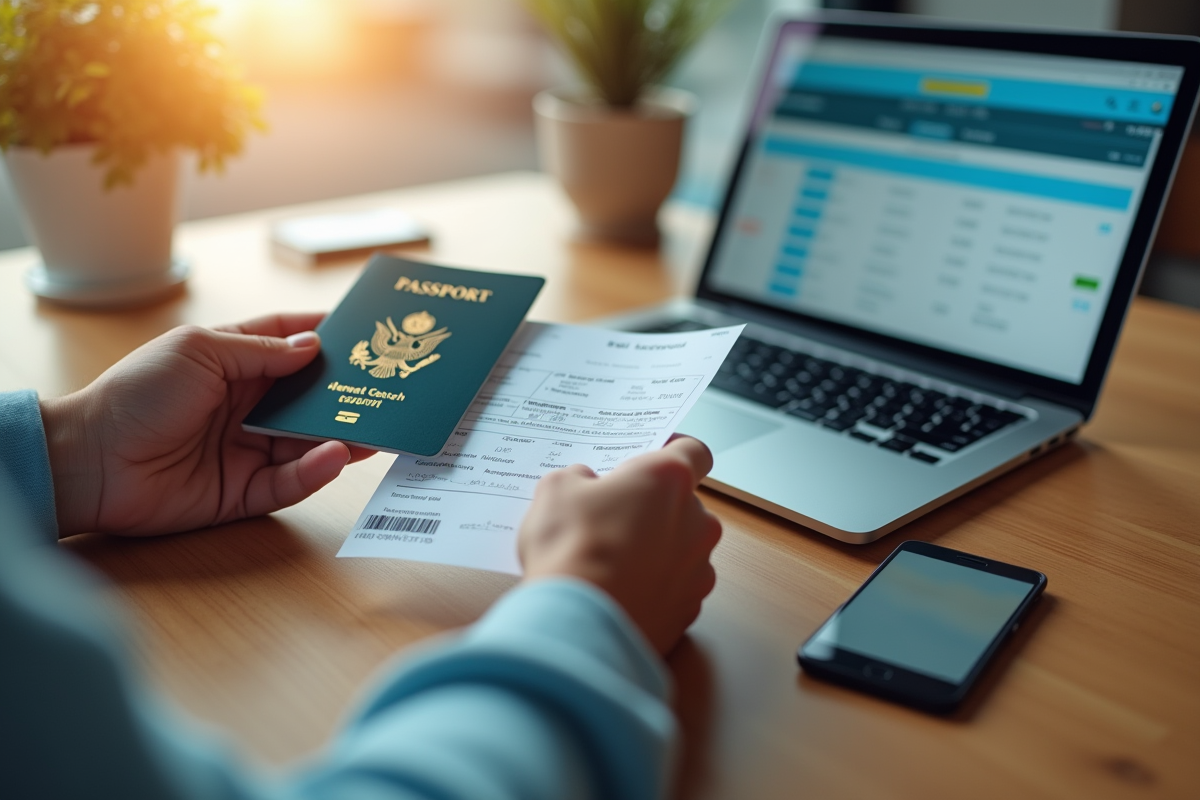
Clever tips and practical tricks to pay less for your flights all year round
Those looking to get a plane ticket at the best price know that patience and method are your most faithful allies. To save, nothing beats flexibility: shifting your flight by a day, opting for an early or late departure, or aiming for an alternative airport can be enough to lighten the bill. At a glance, a flexible calendar reveals the most advantageous dates, including for international flights.
To maximize your chances of getting an unbeatable fare, here are several levers to activate:
- Activate price alerts to be immediately notified of an interesting drop.
- Consider clearing your cookies or browsing in private mode: some sites adjust their prices upwards after several repeated searches.
- Use a VPN to mask your location and outsmart the dynamically pricing practiced based on country.
- Sign up for newsletters from airlines to not miss any promotions or last-minute offers.
For domestic flights, aiming to book about 30 days before departure often pays off. For international flights, prefer 6 to 8 weeks in advance during high season, or a window of 2 to 11 days in low season. Frequent flyer programs and specialized credit cards reward regularity: points, miles, cancellation insurance, welcome bonuses. Don’t hesitate to look out for promo codes or discount vouchers, often shared during special operations on social media or via email.
By combining these tips, you increase your chances of finding cheap flights throughout the year, without giving up the pleasure of traveling.
Ultimately, booking a plane ticket is a subtle mix of observation, anticipation, and boldness. It’s up to each person to compose their game, staying alert for an opening to new horizons.