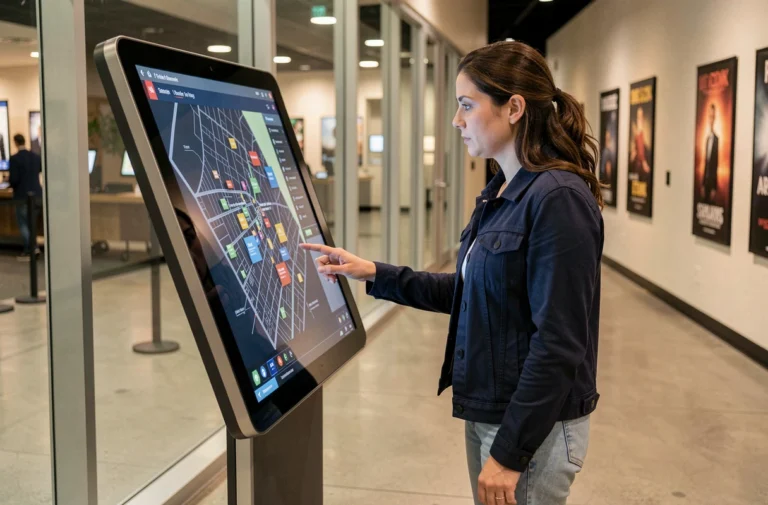
In 2025, 62% of medical follow-up consultations in France are now conducted via digital platforms, compared to just 18% two years earlier. This rapid progression is accompanied by a multiplication of specialized tools, integrating artificial intelligence and shared records, sometimes outside the conventional network.
Some solutions already allow for a second medical opinion to be obtained within the day, while others automate coordination between practitioners, pharmacists, and patients. Health authorities are concerned about data security, but the move towards connected health is accelerating, disrupting established practices.
Health platforms in 2025: a panorama of innovations transforming the daily lives of patients and caregivers
The health sector is evolving at breakneck speed, shaking up the habits of both practitioners and patients. The rise of telemedicine reshuffles the cards: appointment scheduling without delay, remote consultations, prescriptions sent directly to smartphones. Mobile health applications no longer just count your steps: they offer precise monitoring for asthma, diabetes, or support recovery after surgery.
In this renewed landscape, connected health devices are becoming part of patients’ daily lives. Here’s how they are changing the game:
- A blood pressure monitor or a glucometer sends its readings instantly to the medical team, which benefits from analysis by artificial intelligence.
- Algorithms identify subtle variations very early, signaling a potential complication even before the patient feels anything.
- For caregivers, these tools do not replace experience, but provide new levers to adjust treatments and advice, while keeping control over decisions.
The question of data security is paramount: blockchain and GDPR are becoming the pillars of this new organization. Some platforms, like Pharamond Santé, regularly publish analyses and news on sector advancements, allowing everyone to follow the concrete developments in digital health.
Health professionals are facing unprecedented challenges with telemonitoring and the development of the internet of medical things. The arrival of virtual reality for rehabilitation, pain management, and robotics in the operating room reflects an unprecedented technological effervescence. Patients are no longer just users: they continuously interact with their care team and access richer information at their fingertips.

What new uses and concrete benefits for patients thanks to collaborative digital health?
Patient communities are profoundly transforming the relationship with the healthcare system. In these online spaces, sharing experiences and exchanging validated advice create a new balance: patient empowerment. Everyone can take ownership of their journey, learn about treatments, engage with others in similar situations, and find support where the voice of peers complements that of professionals.
The co-construction of care is now part of daily life. Thanks to digital platforms, the patient actively collaborates with their doctor: they input certain data themselves, describe their sensations, and immediately report side effects via applications designed for monitoring. With telemonitoring, medical follow-up becomes reactive, reducing unexpected hospitalizations. Exchanges between caregivers and partners become smoother, information circulates better; everyone has the necessary elements for quick and tailored care.
Here are some concrete examples of the changes underway:
- Experience sharing: patients and relatives exchange on the treatments received, their effects, and daily management.
- Care organization: appointment reminders, protocols, and documents accessible in one click on mobile.
- Training and information: webinars, forums, specialized content to better understand one’s pathology or explore care options.
Ultimately, the quality of life for patients improves: isolation decreases, complications are better anticipated, and everyone feels more listened to and involved. This collective dynamic, where patients, caregivers, and socio-medical actors move forward together, shapes a new face for health. The boundary between innovation, listening, and support has never been so porous. Who would have imagined, just a few years ago, that connected health would become the norm?