
A reused password is enough to compromise all of your private exchanges, even if that combination seemed harmless. Massive account hacking often relies on lists obtained from old data breaches, exploited to access other services.
Using specialized tools allows you to generate, store, and update unique passwords. Negligence in this area facilitates automated attacks and exposes you to targeted phishing attempts. The strength of a password does not guarantee its security if it is shared, noted on paper, or forgotten in a corner of your messaging.
Why password management is fundamental for the security of your messaging
Password management serves as the first line of defense against the leakage of personal data, especially when it comes to accessing your messaging. Behind this simple combination of characters lies the security of many online services connected to your inbox: social networks, professional tools, or even Hotmail login. A weak password is like leaving a door ajar for cybercriminals, conducive to automated attacks or methodical guessing.
Using a unique password for each service is not an option: it is the rule to follow to limit damage in case of a breach. Opt for long codes (at least twelve characters), mixing lowercase and uppercase letters, numbers, and punctuation marks. First names, dates, or any identifiable data on social networks only widen the gap. Even a trusted person should not have access to your password: shared access is an additional vulnerability, whether it’s a close friend or a colleague.
Digital security also hinges on everyday details. A computer used by multiple people, an unlocked forgotten device, an unattended public Wi-Fi connection: all these situations, if neglected, serve as a springboard for intrusion. Messaging often centralizes access keys to your entire digital life; if it falls, the whole structure wobbles. Phishing and identity theft often take advantage of such vulnerabilities.
In the face of increasingly sophisticated attacks, adopting reliable reflexes becomes essential. Cybermalveillance.gouv.fr provides practical sheets and awareness kits for individuals and professionals. For businesses, regular training and maintenance of connected devices are not mere details, but part of a genuine security policy. Protecting your personal data starts with rigorous management of your access: prioritizing robust solutions for each service and limiting the dissemination of your personal information is the foundation.
Simple tips and clever tools for truly strong passwords
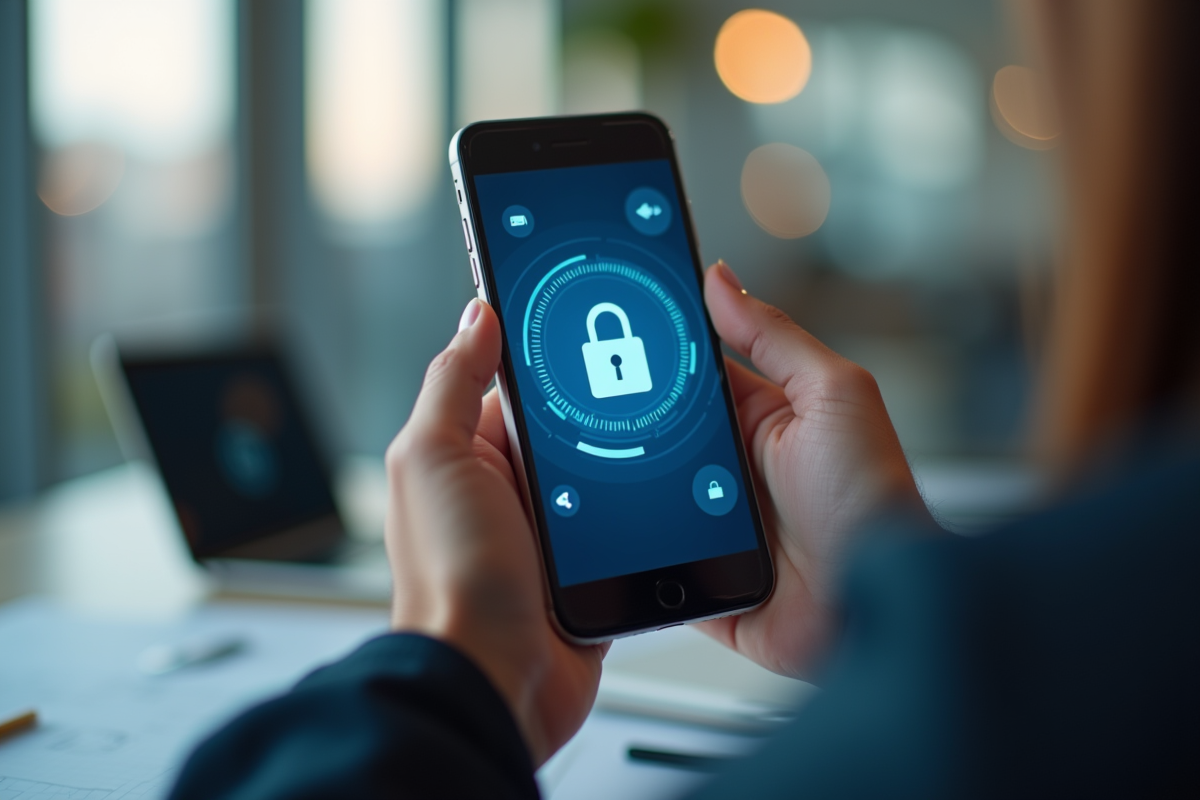
To protect your personal data on your messaging, password strength alone is not enough. Management now requires tools suited to the multiplication of digital access. A password manager enhances security: it generates, stores, and automatically fills in complex codes specific to each platform. This reflex closes the door to reuse, a prime target for automated attacks.
Another crucial step: activate two-factor authentication. This system adds an extra layer of control after the password, via a code received by SMS or generated on a dedicated app. Even if a password falls into the wrong hands, account access remains locked without this second factor.
Here are some concrete measures to adopt to strengthen the security of your messaging:
- Remember to change your passwords regularly, especially after any doubt about a possible intrusion.
- Never share them, regardless of the reason.
- Avoid saving them in a browser or on unprotected media.
Connecting via a VPN adds an extra layer of protection, especially on public Wi-Fi networks: the connection is encrypted, and the IP address is masked. To limit the consequences of an attack, back up your sensitive data on a secure cloud or a reliable external medium, and ensure your devices are up to date. These habits, far from being optional, create a real barrier against the exploitation of personal information.
The digital world does not forgive negligence: every vulnerability, every oversight can turn into a breach. Taking care of your access means choosing to maintain control over your data and refusing to let others write the story for you.